



Unlock the Art of Graphic Novel Publishing with Graphic Novel Storytelling Techniques
- Wilhelm Peters Jr.

- 2 days ago
- 4 min read

Graphic novels have become a powerful medium for storytelling. They combine visual art and narrative in a way that captivates readers and conveys complex stories with emotional depth. Unlocking the art of graphic novel publishing requires understanding both the creative and practical aspects of this unique form. In this post, I will guide you through essential graphic novel storytelling techniques and the steps to bring your work to the public effectively.
Understanding Graphic Novel Storytelling Techniques
Graphic novel storytelling techniques are the foundation of creating compelling narratives. Unlike traditional novels, graphic novels rely heavily on the interplay between images and text. This balance is crucial to engage readers and communicate the story clearly.
One key technique is visual pacing. This involves controlling the flow of the story through panel size, layout, and the amount of detail in each frame. For example, a fast-paced action scene might use many small panels to create a sense of urgency. In contrast, a dramatic moment might be shown in a large, detailed panel to emphasize its importance.
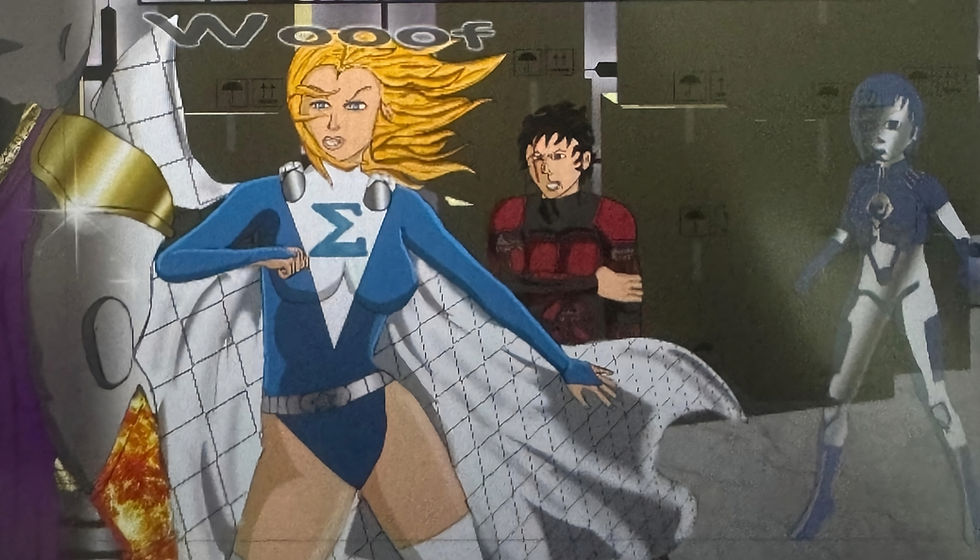
Another important technique is character design and expression. Characters must be visually distinct and expressive to convey emotions without relying solely on dialogue. Facial expressions, body language, and posture all contribute to storytelling.
Dialogue and narration also play a vital role. The text should complement the visuals, not overwhelm them. Using concise, impactful dialogue helps maintain the reader’s interest and keeps the story moving.
Finally, symbolism and visual metaphors enrich the narrative. These elements add layers of meaning and invite readers to interpret the story on multiple levels.
Steps to Publish Your Graphic Novel Successfully
Publishing a graphic novel involves several steps, from creation to distribution. Understanding this process helps you navigate the challenges and maximize your work’s reach.
Develop Your Manuscript and Artwork
Begin with a strong script and detailed artwork. Collaborate with artists if you are primarily a writer, or vice versa. Ensure your story is polished and your visuals are clear and engaging.
Edit and Refine
Editing is crucial. Review your work for consistency in story, art, and text. Seek feedback from trusted peers or professionals. This step improves the quality and readability of your graphic novel.
Choose the Right Format
Decide whether to publish digitally, in print, or both. Digital formats offer wider accessibility and lower costs, while print editions provide a tangible product that many readers value.
Find a Publisher or Self-Publish
You can submit your work to a graphic novel publisher or choose to self-publish. Each option has pros and cons. Traditional publishers offer distribution and marketing support, while self-publishing gives you full control and higher profit margins.
Prepare Your Files for Printing or Digital Release
Follow technical specifications for resolution, color profiles, and file formats. Proper preparation ensures your graphic novel looks professional and meets industry standards.
Market Your Graphic Novel
Use social media, conventions, and online communities to promote your work. Building a fan base is essential for long-term success.
Crafting a Unique Visual Style
A unique visual style sets your graphic novel apart. It reflects your artistic voice and enhances storytelling. Developing this style requires experimentation and consistency.
Start by exploring different art techniques and influences. Study other graphic novels and comics to understand what resonates with you. Then, practice creating characters, backgrounds, and layouts that reflect your vision.
Consistency is key. Maintain a coherent style throughout your work to create a seamless reading experience. This includes color schemes, line work, and panel design.
Remember, your style should serve the story. Avoid overly complex visuals that distract from the narrative. Instead, aim for clarity and emotional impact.
Building a Community Around Your Work
Publishing a graphic novel is not just about the book itself. It is also about connecting with readers and other creators. Building a community fosters support, feedback, and collaboration.
Engage with fans through social media platforms and forums dedicated to comics and graphic novels. Share behind-the-scenes content, sketches, and updates to keep your audience interested.
Participate in local and online events such as comic conventions, workshops, and panels. These venues provide opportunities to network and showcase your work.
Consider creating a website or blog where you can post articles, tutorials, and discussions related to graphic novels. This approach aligns with the goal of becoming a vibrant hub for independent comic creators and fans.
Navigating the Business Side of Graphic Novel Publishing
Understanding the business aspects is essential for sustainable success. This includes contracts, rights, royalties, and distribution.
When working with a publisher, carefully review contracts to understand your rights and obligations. Retain as much creative control as possible while ensuring fair compensation.
If you self-publish, learn about printing costs, pricing strategies, and distribution channels. Platforms like print-on-demand services and digital marketplaces can simplify this process.
Marketing and promotion require time and effort. Develop a plan that includes social media campaigns, email newsletters, and collaborations with influencers or reviewers.
Tracking sales and reader feedback helps you improve future projects and grow your audience.
Embracing the Future of Graphic Novel Publishing
The graphic novel industry continues to evolve with new technologies and trends. Digital comics, interactive storytelling, and multimedia integration offer exciting possibilities.
Stay informed about industry developments and be open to experimenting with new formats. This adaptability will help you reach wider audiences and keep your work relevant.
By mastering graphic novel storytelling techniques and understanding the publishing process, you can unlock the full potential of your creative vision. Whether you choose to work with a graphic novel publisher or self-publish, the key is to remain dedicated, patient, and passionate about your craft.
Publishing a graphic novel is a journey. It requires creativity, discipline, and a willingness to learn. Embrace this journey and contribute to the vibrant world of graphic novels with your unique voice and stories.


Comments